
Filtration and environmental protection: Clean solutions for a sustainable future
How filtration technologies contribute to preserving our environment
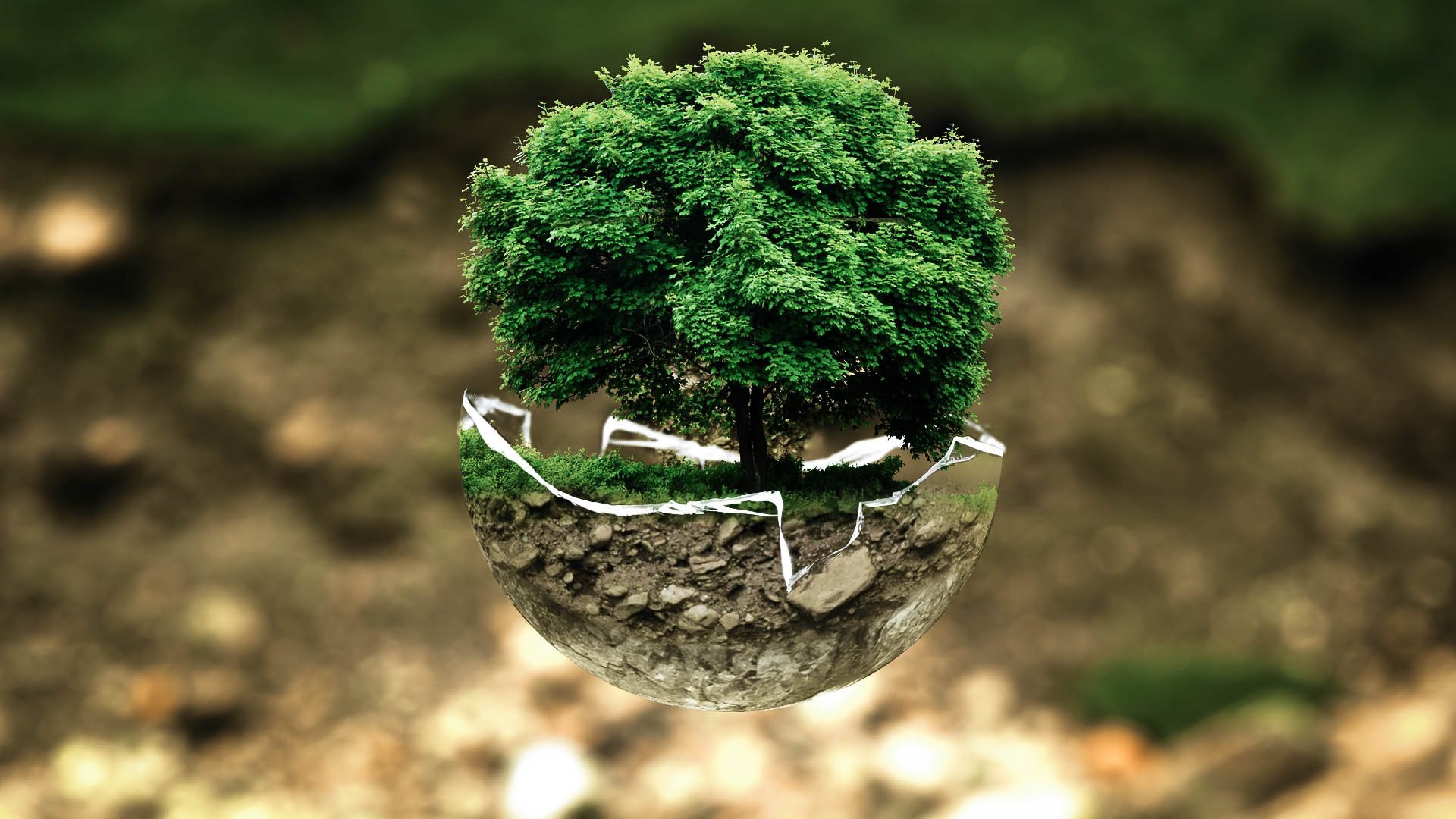
The importance of environmental protection and sustainability is crucial in our modern world. One of the often overlooked, yet extremely important components of environmental protection is filtration technology. This inconspicuous but effective method plays an essential role in preserving our environment and conserving our natural resources.
Clean air for healthy ecosystems
Air filtration is a key aspect of environmental protection. Polluted air emissions from industry and transport can have a significant impact on the environment and human health. Filtration systems remove pollutants, particles and suspended matter from the air before they enter the atmosphere. This helps to maintain air quality standards, reduce the spread of smog and acid rain, and protect the well-being of people and nature.
The purification and conservation of water resources
Water is one of the most valuable resources on Earth. Environmental filtration technologies play a crucial role in purifying contaminated water and treating wastewater. These measures help to protect water bodies and preserve life in our oceans, rivers and lakes. They also reduce the consumption of fresh water and contribute to the sustainable management of our water resources.
Soil protection and disposal
Another facet of environmental protection is soil filtration. It can filter pollutants out of rainwater and industrial runoff before they contaminate the soil. Filtration systems can also be used in the disposal of waste and pollutants to minimise environmental impact and protect the long-term health of soils and ecosystems.
Energy efficiency and resource savings
The implementation of modern filtration technologies in various industries contributes to increased energy efficiency and resource savings. Efficient filtration systems reduce the need for raw materials and lower energy consumption, which in turn reduces environmental impact.
Conclusion
The environmental benefits of filtration are undeniable. Filtration technologies play a vital role in purifying air, water and process fluids, helping to preserve our environment and promote a sustainable future. The continued development and application of these technologies are crucial to protecting our planet and preserving its treasures for future generations.